Jumat, 03 Oktober 2008

Katsura Imperial Palace Garden

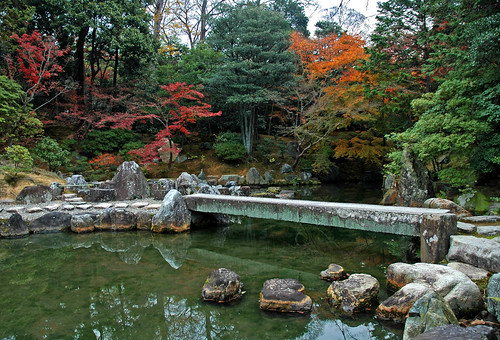
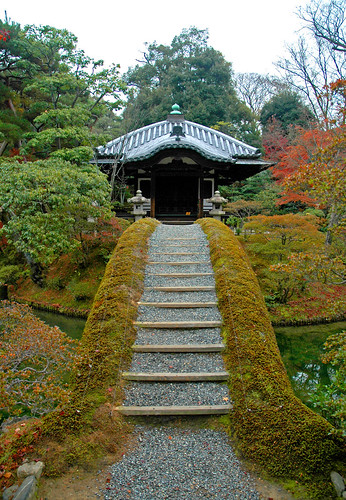
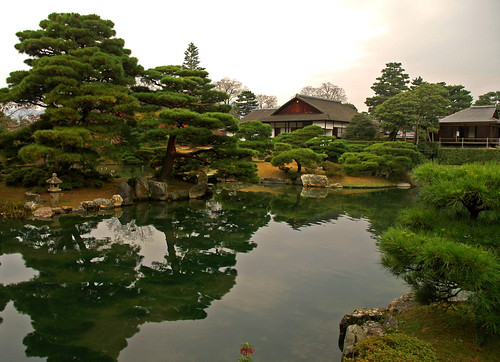
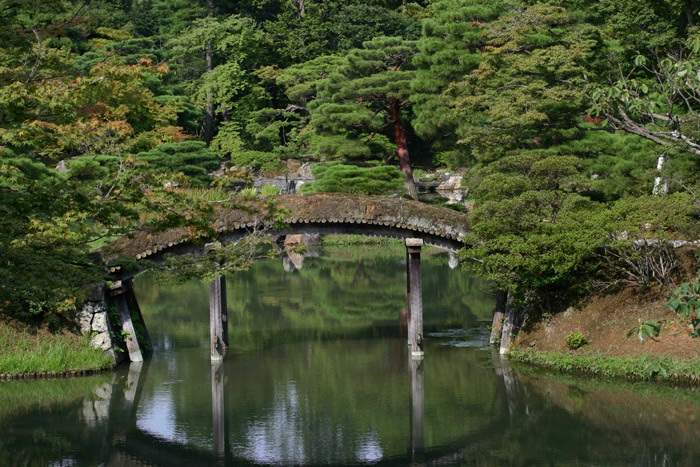
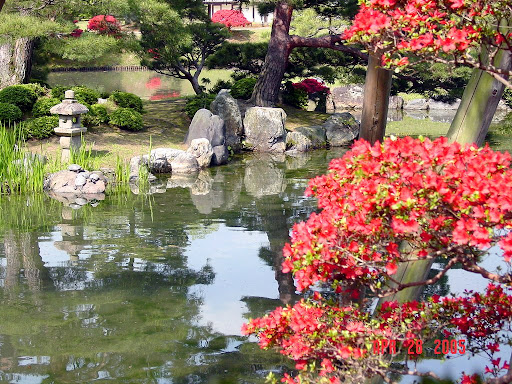
Katsura Imperial Villa was built in the early Edo Period for Prince Toshhihito (1579-1629) and work began when he was 40. The prince himself was the main designer, working with Kobori Enshu, a tea master, government official and garden designer. A lake (1.25 ha) was dug, hills and islands formed, beaches made, pavillions built and planting undertaken. The result was a pleasure landscape of the kind described by Lady Murasaki in the Tale of Genji, 620 years earlier. There are 16 bridges. The lake could be used for boating parties and the surrounding land as a stroll garden, in effect a tea garden on an enormous scale. The 'Katsura Tree' (Cercidiphyllum japonicum) was associated with the God of the Moon and the garden has a platform to view its rising. After Prince Toshhihito died the work was continued by a fromer emperor, Gomizunoo. There are 23 stone lanterns to light the stroll path after dark. They were a recent introduction to Japanese gardens but have come to be thought of as typical, along with the stepping stones which reinforce the path and protect the plants. Stone basins were used for hand-washing before a tea ceremony. Katsura was designed not only for meditation (Zen) but also for ceremonious courtly pleasures. Its elegance, balance and harmonious restraint have charmed all visitors.


from gardenvisit.com
images from flickr user: Purple Cloud

Kamis, 02 Oktober 2008

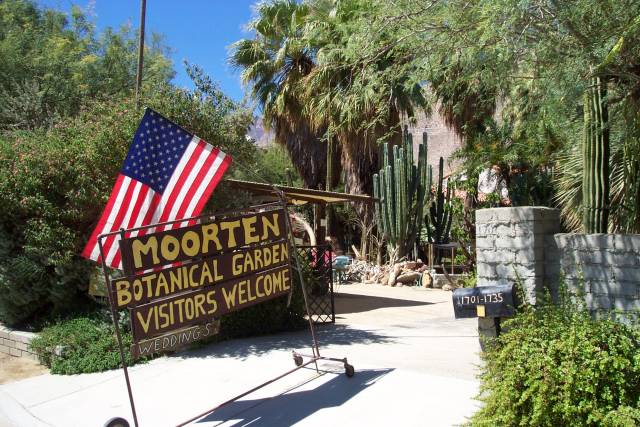
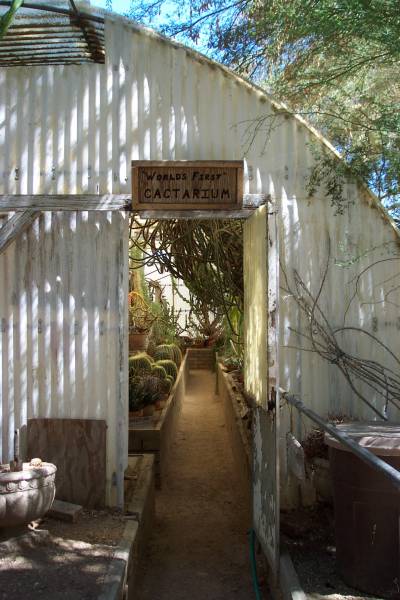
Moorten Botanical Garden and Cactarium

The Moorten Botanical Garden and Cactarium is a 1 acre (4,000 m²) family-owned botanical garden specializing in cacti and other desert plants, located at 1701 South Palm Canyon Drive, Palm Springs, California, USA. It is open to the public for a fee.

The Gardens were established in 1939 by Patricia and Chester "Cactus Slim" Moorten, one of the original Keystone Cops. The Moortens collected many of their own plants from Baja California, Mexico, and as far south as Guatemala.

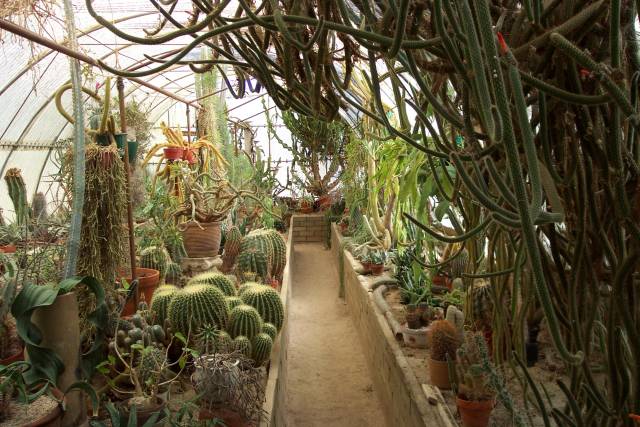
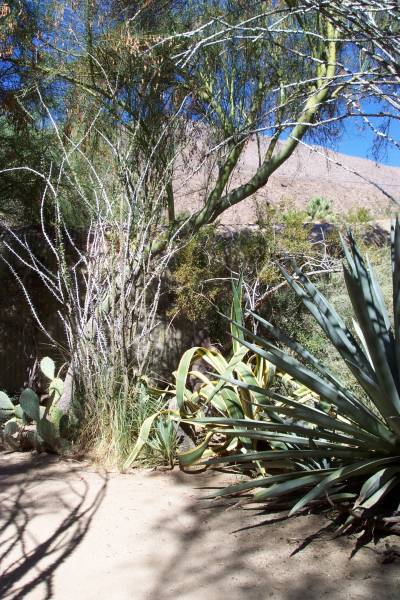
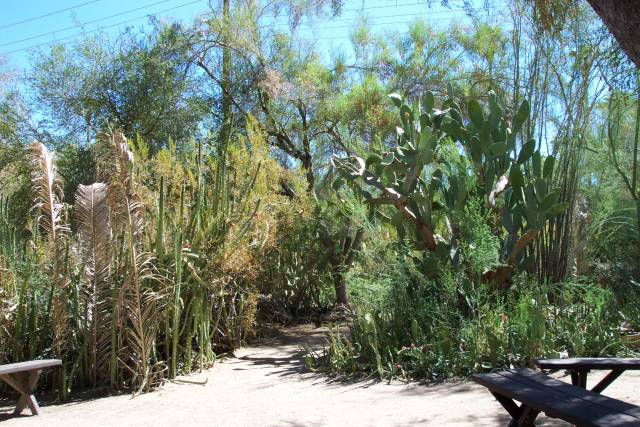
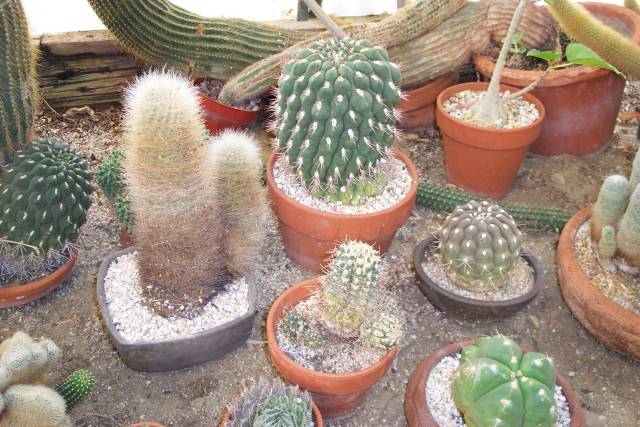
Today the garden includes 3,000 examples of desert cacti and other desert plants, grouped by geographic regions: Arizona, Baja California, California, Colorado, the Mojave desert, the Sonora desert, South Africa, arid South America, and Texas. Outdoor collections include agaves, bombax, crested Cereus, cardoon and boojum trees, arborescent "candelabra" Euphorbia, a two-story Pachypodium, thorned Caesalpinia and Bursera, and some dozen aloes of southern Africa and Madagascar. In the "Cactarium" greenhouse are cacti and succulents, with caudiciform species exhibiting thickened root crowns, many species of Asclepiads, Aztecia, Gymnocalycium, Alstromeria, Euphorbia, and Ferocactus, plus two fine examples of Welwitschia mirabilis from Namibian deserts.


from wikipedia.org
images from letsgoseeit.com